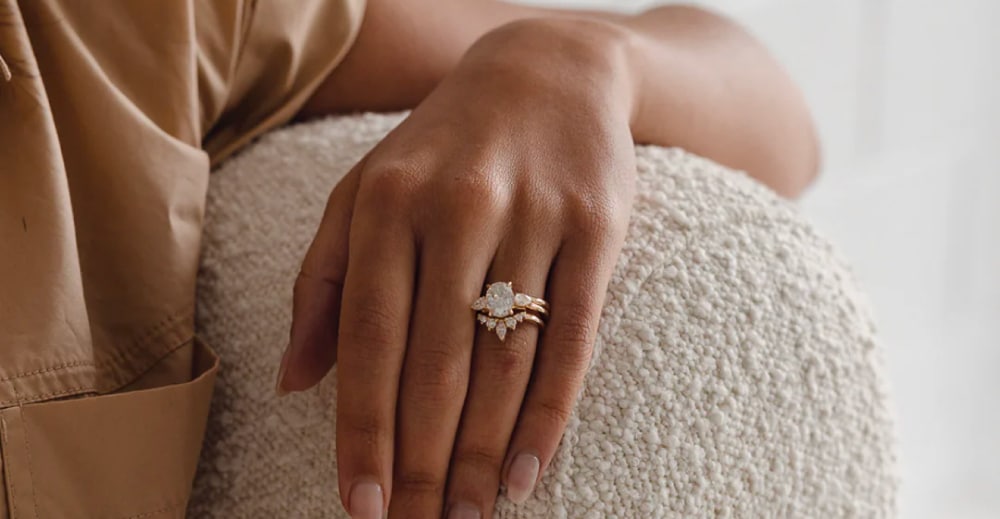
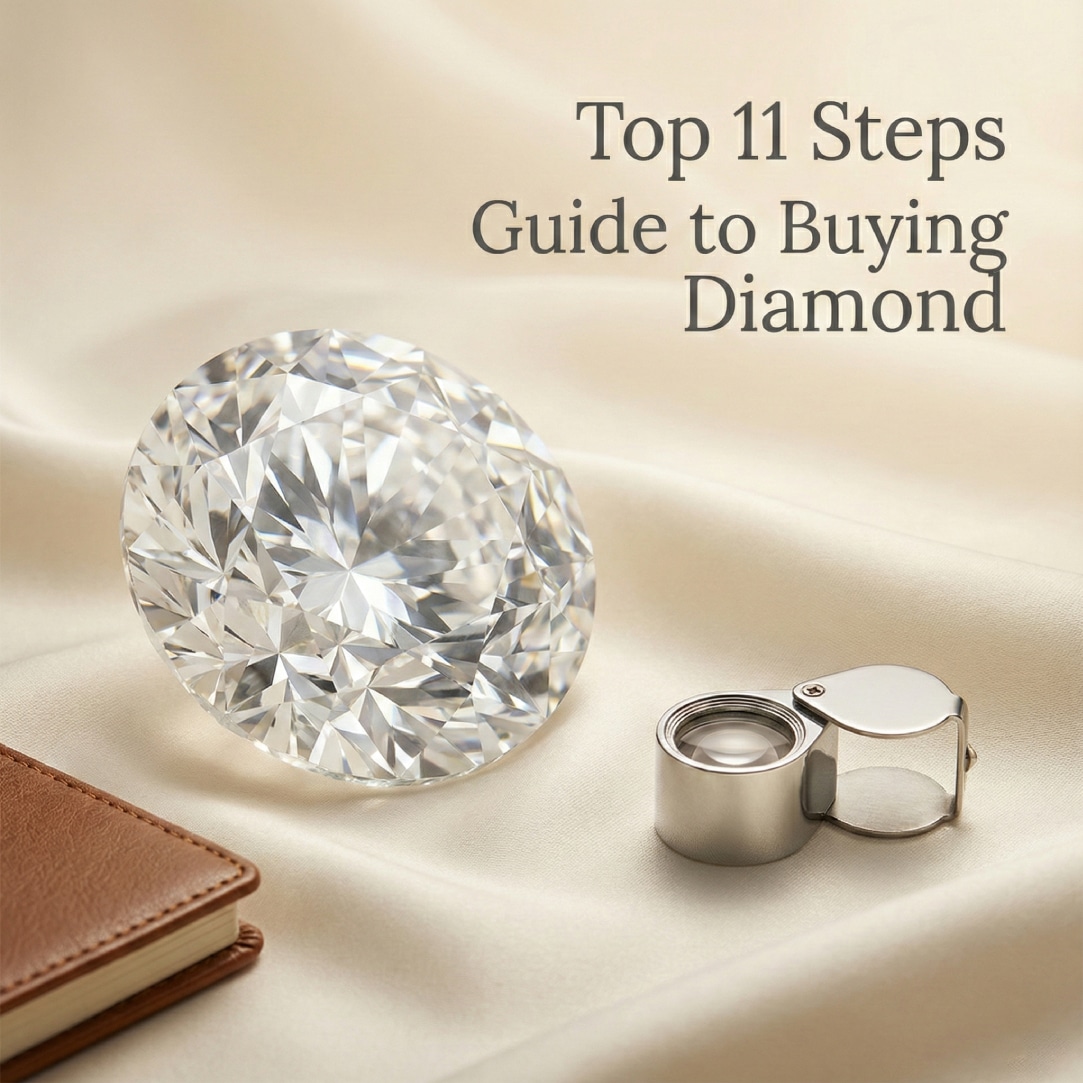
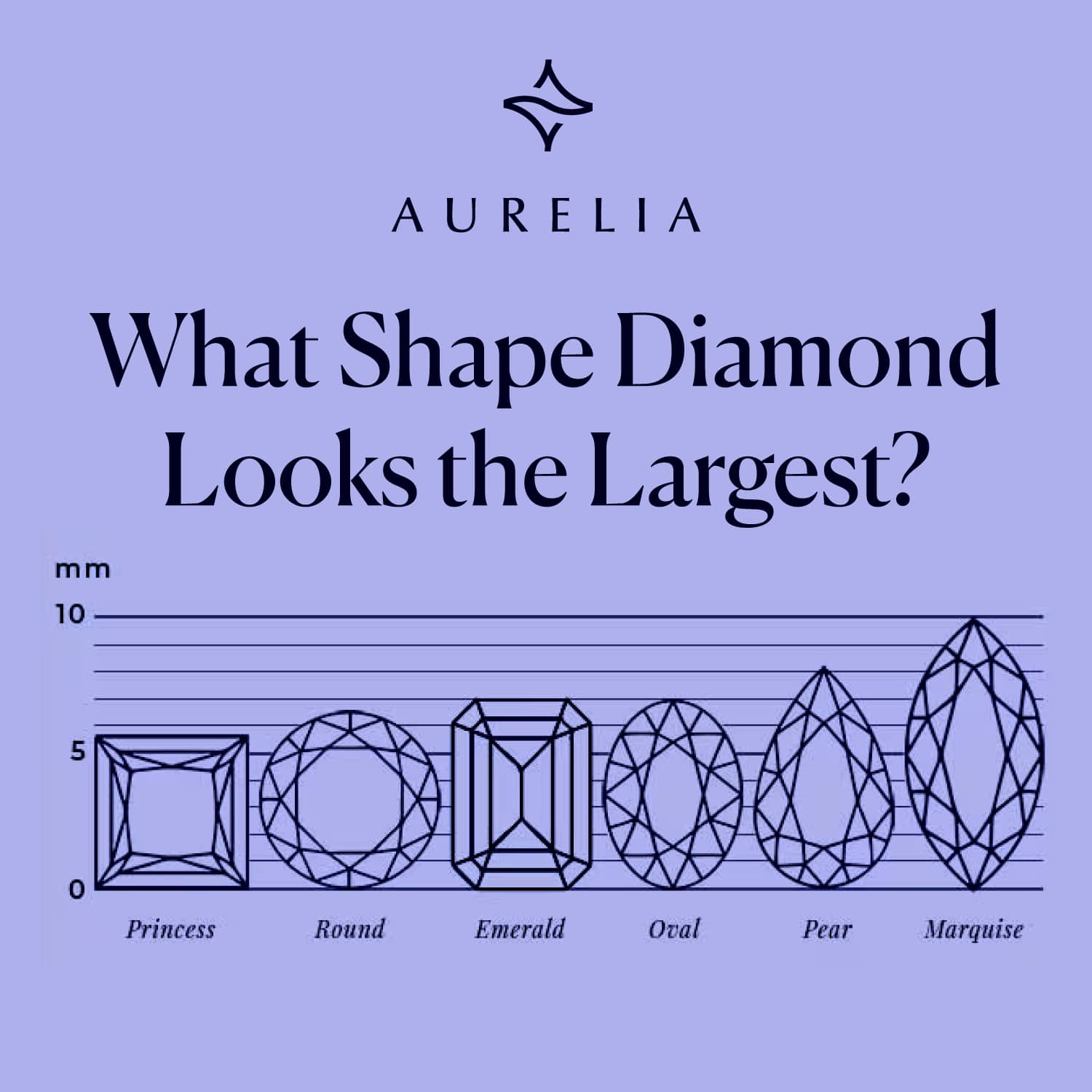
The diamond shape that looks the largest is the Marquise cut, followed closely by the Pear and Oval cuts. Because these shapes are elongated and have a shallower depth, they possess a greater “face-up” surface area per carat than a standard Round Brilliant.
In fact, a 1-carat Marquise can appear up to 15% to 20% larger than a 1-carat Round diamond of the same weight.
Listen to me: Carat is a measurement of weight, not visual size. Buying a diamond based only on carat weight is like buying a car based only on how much the metal weighs. It tells you nothing about the curb appeal.
If you want a rock that looks like a 2-carat for a 1-carat price, you have to stop following the crowd to the round-cut counter.
Deal Alert: Fast-Shipping Gifts — Up to 50% Off* fine jewelry at Blue Nile !
One In A Lifetime Sale: “Clear The Vault” – Get up to 70% OFF on select jewelry at Blue Nile !
Exclusive Offer: Flash Sale on James Allen Up to 40% Off * Sitewide engagement ring settings & Fine Jewelry at James Allen .
I recently received an email from Sarah, one of our readers, who was hunting for the perfect engagement ring. She wanted a diamond that looked as large as possible for her budget but still wanted something practical and stunning.
Sarah, here is the unfiltered truth: Size is not just about the number on the scale; the diamond’s shape and cut can make a significant difference in how big it actually looks on your finger. I’m going to pull back the curtain on “Surface Area” and show you exactly which shapes offer the best visual ROI for your wallet.
Diamond IQ Test: Natural or Lab-Grown?
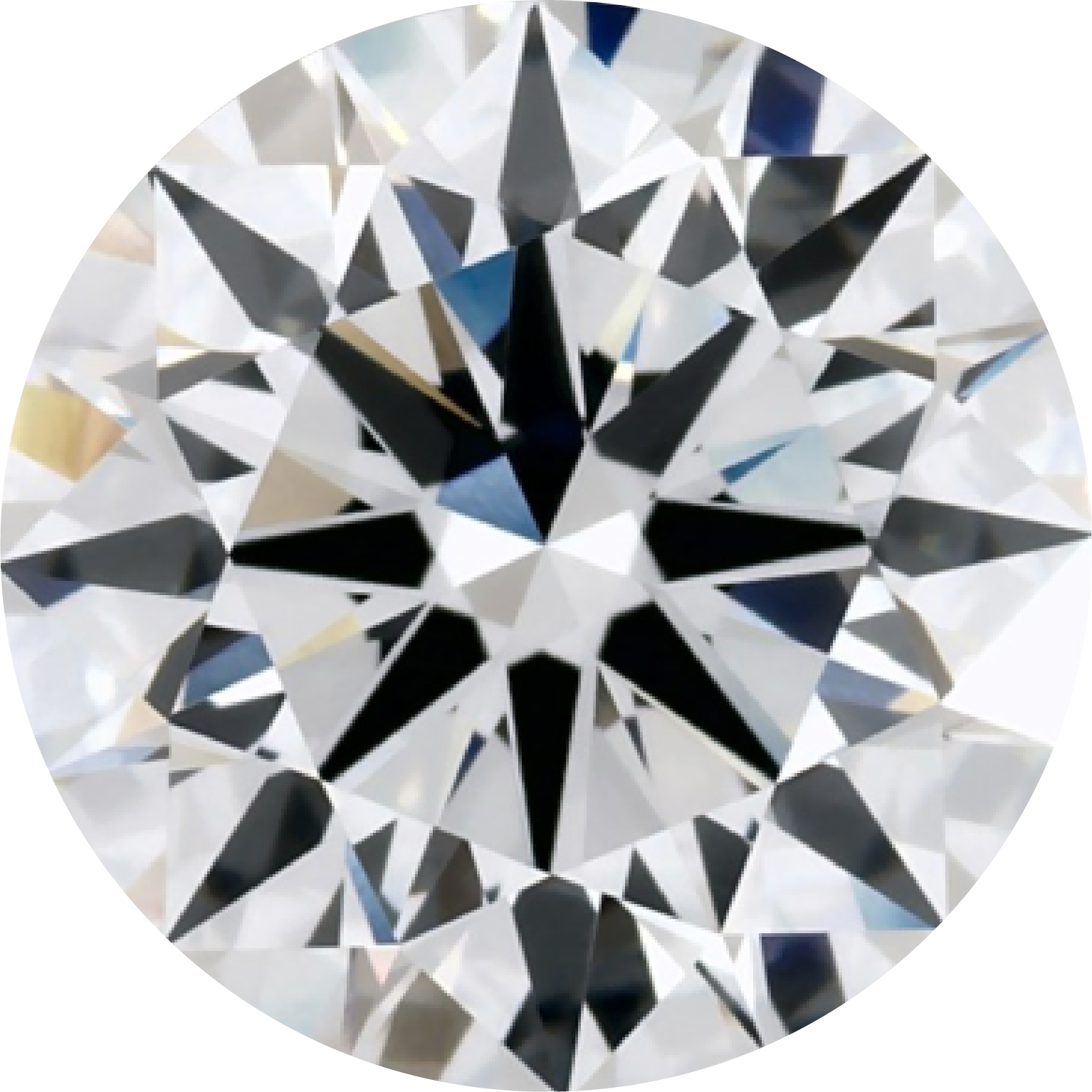
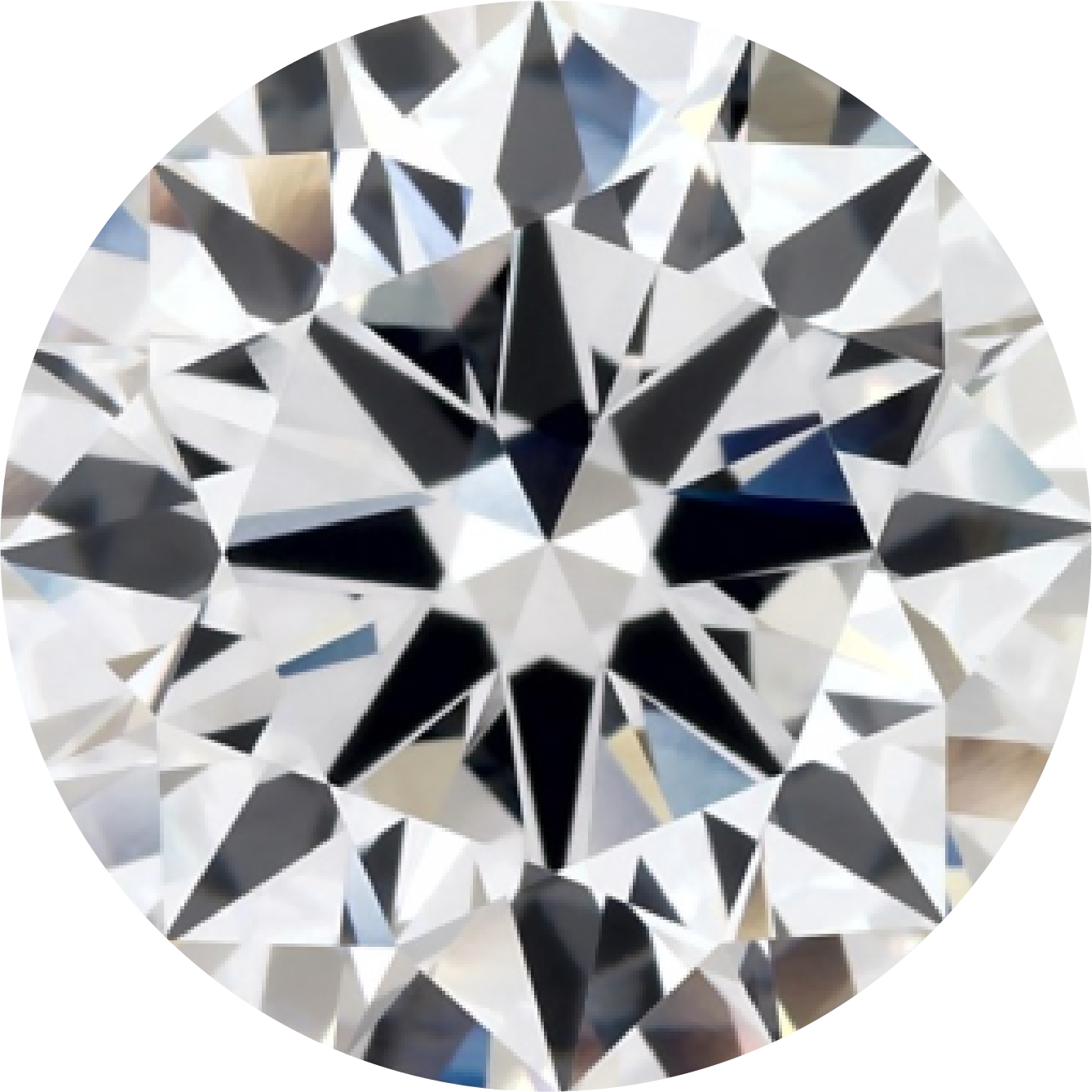
Two identical diamonds: GIA Certified, 1.51ct, D Color, VVS1, Ideal Cut. One is natural ($16,530), the other is lab-grown ($2,390). Choose the diamond you like better and see if you can match it to its origin.
The Official “Size Queen” Rankings: Which Shapes Dominate the Finger?
If you want to win the game of “perceived size,” you have to understand that not all carats are created equal. When we talk about a diamond “looking big,” we are talking about its physical footprint—the amount of space it occupies on your finger when viewed from the top.
Below is my definitive ranking of diamond shapes, from the absolute “Size Queens” that maximize every cent of your budget to the “Size Traps” that hide their value where no one can see it.
No 1: The Marquise Cut (The Ultimate “Size Cheat Code”)
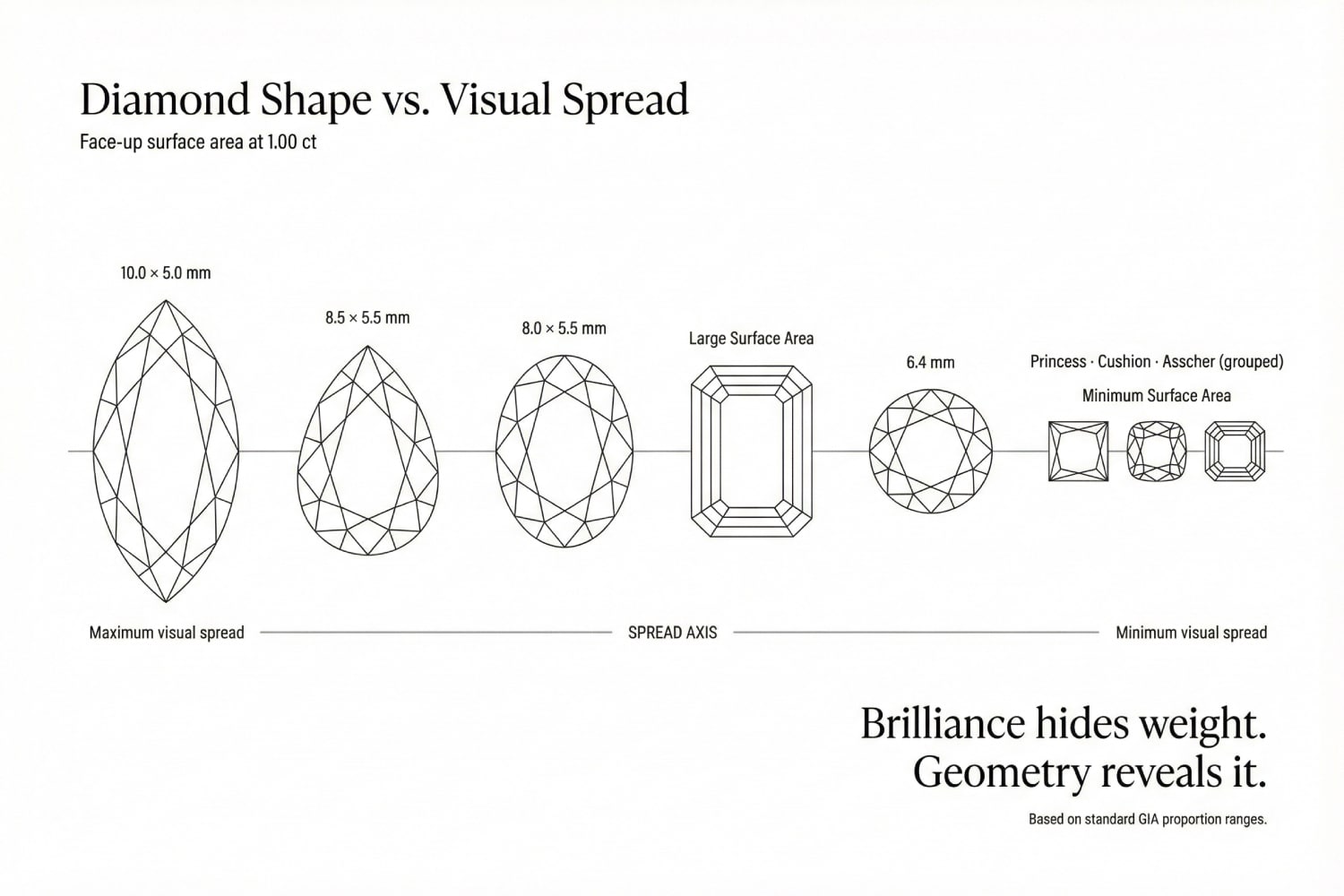
If your goal is purely to have the largest-looking diamond possible for your money, the Marquise cut is the undisputed champion. Its unique, football-like shape with tapered points creates the largest visual surface area of any diamond cut in existence.
- The Surface Area Advantage: Because the Marquise is long and relatively shallow, it spreads its weight across a massive “table” (the top surface).
- The Data Point: A 1-carat Marquise typically measures approximately 10.0 x 5.0 mm. Compare that to a 1-carat Princess cut, which is a tiny 5.5 mm square. You are getting nearly double the length for the exact same weight.
- The “Size Queen” Summary: A Marquise diamond can appear up to 15-20% larger than a Round Brilliant of the same carat weight.
- Mehedi’s Expert Take: The pointed ends act like arrows, drawing the eye outward and making your fingers look incredibly long and slender. However, those points are delicate; you must ensure your jeweler uses V-shaped prongs to protect them.
If you love this bold, vintage look, you have to see our latest Marquise Cut Diamond style guide.
No 2: The Pear Cut (The “Teardrop Trick”)
The Pear cut is the “Size Queen’s” second-in-command. By combining the rounded curves of a Brilliant Round with the elongated point of a Marquise, it offers a massive visual footprint that shocks most buyers when they hear the actual carat weight.
- Visual Illusion: The asymmetrical teardrop design creates a singular focal point that draws the eye down the length of the stone, creating the illusion of significant size.
- The Measurements: A 1-carat Pear-shaped diamond generally measures around 8.5 x 5.5 mm.
- Why It Wins: It provides a larger surface area than the Oval or Round cuts, making it a fantastic “bang for your buck” choice for engagement rings.
- Proportions Matter: For the largest look, I recommend a length-to-width ratio of 1.45–1.75. Anything wider starts to look “stubby” and loses its size advantage.
Ready for something unique? Explore the sophistication of the Pear Shaped Diamond Ring.
No 3: The Oval Cut (The Modern Standard for Size)
The Oval cut is currently the most popular choice for couples who want a mix of classic sparkle and modern size. It is essentially a “stretched” Round Brilliant, and that stretching is exactly why it looks so much bigger.
- The Balanced Choice: It offers the fire and brilliance of a round stone but with a significantly larger face-up area.
- The Finger Slimming Effect: Much like the Marquise and Pear, the Oval creates a flattering, lengthening effect on the hand.
- The Visual Equivalent: An Oval diamond can appear about 10% larger than a Round diamond of the same carat weight.
- Mehedi’s Tip: To avoid the dreaded “bow-tie” (a dark shadow in the center), aim for an ideal length-to-width ratio of 1.35–1.50.
To master this shape, you need my Oval Cut Diamond Buying Guide.
No 4: The Emerald Cut (The Hall of Mirrors)
The Emerald cut doesn’t use sparkle to hide its size; it uses its massive, flat table. As a “step-cut” diamond, its facets look like a hall of mirrors rather than the scattered flashes of a brilliant cut.
- Surface Area Queen: Because Emerald cuts are rectangular and relatively shallow, they have a very large surface area for their weight.
- Regal Aesthetic: The long, clean lines make the stone look regal and “larger than life,” even if it doesn’t have the “fire” of an Oval.
- The Clarity Caveat: Because the top surface is so open and large, you cannot hide inclusions. You should prioritize a higher clarity grade (VS1 or better) to ensure the stone looks “clean”.
Learn why these are the “step-cut royals” in our guide to the Emerald Cut Diamond.
No 5: The Round Brilliant (The Sparkle King, but “Size Loser”)
I know this is going to hurt some feelings, but the Round Brilliant is a terrible choice if your only goal is maximum visual size. It is the most popular diamond shape in the world for its sparkle, but it is one of the smallest-looking stones per carat.
- The “Hidden Weight” Problem: To get those perfect “Hearts & Arrows” and maximum light return, a round diamond must be cut very deep.
- The Deep Belly: A huge portion of a round diamond’s weight is hidden in the “pavilion” (the bottom half) where it is buried inside the metal setting.
- The Comparison: A 1-carat Round Brilliant diamond is roughly 6.4 mm in diameter. Compare that to the 10mm length of a Marquise, and the Round starts to look quite modest.
If you still love the classic look, make sure you get the best cut possible by reading Round Brilliant Cut Diamond.
No 6: The “Size Traps”: Princess, Cushion, and Asscher Cuts
These are the shapes I tell my friends to avoid if they are on a tight budget and want a “big” look. While they are beautiful and romantic, they are the least efficient shapes for visual spread.
- Princess Cut: This square shape is notorious for being “bottom-heavy”. It holds much of its weight below the table, meaning you get very little “spread” for your money.
- Cushion Cut: With its rounded corners and pillow-like shape, the Cushion is cut very deep. It is often referred to as a “heavy” stone because so much of its mass is hidden in the depth of the stone.
- Asscher Cut: This is a square step-cut that is intentionally cut with a high “crown” and deep pavilion to create its signature “X” pattern. It looks stunning, but it will always look smaller than almost every other shape of the same carat weight.
Mehedi’s Bottom Line: If you choose a Princess, Cushion, or Asscher cut, you must use a Halo Engagement Ring Setting to surround the stone with more sparkle and “fake” a larger size.
Comparison Summary: Visual Impact by Shape
| Diamond Shape | Perceived Size | Best Feature | Mehedi’s Verdict |
|---|---|---|---|
| Marquise | Largest | Maximum Surface Area | The ultimate budget-stretcher. |
| Pear | Very Large | Elongating Teardrop | Unique and eye-catching. |
| Oval | Large | Balanced Sparkle/Size | The safest modern bet for a big look. |
| Emerald | Moderate-Large | Wide Table | Sleek, sophisticated, and regal. |
| Round | Standard | Maximum Fire | Sparkly, but visually “compact.” |
| Cushion | Small | Vintage Charm | Beautiful, but pay for hidden weight. |
| Princess | Smallest | Geometric Lines | Needs a halo to look substantial. |
Mehedi’s 5 Pro Hacks to “Cheat” the Carat
If you’ve read Sarah’s email, you know she’s looking for the ultimate “visual ROI” for her budget. She doesn’t want a number on a certificate; she wants a diamond that looks massive and breathtaking when she’s wearing it.
Listen, I have spent years as a GIA-trained expert watching people overpay for carat weight they can’t even see. If you want to stop following the crowd and start playing the system, you need to use these five “Expert Size Hacks.” These aren’t just opinions—they are optical tricks used by the world’s top jewelers to make a 1-carat diamond look like it belongs on a celebrity’s finger.
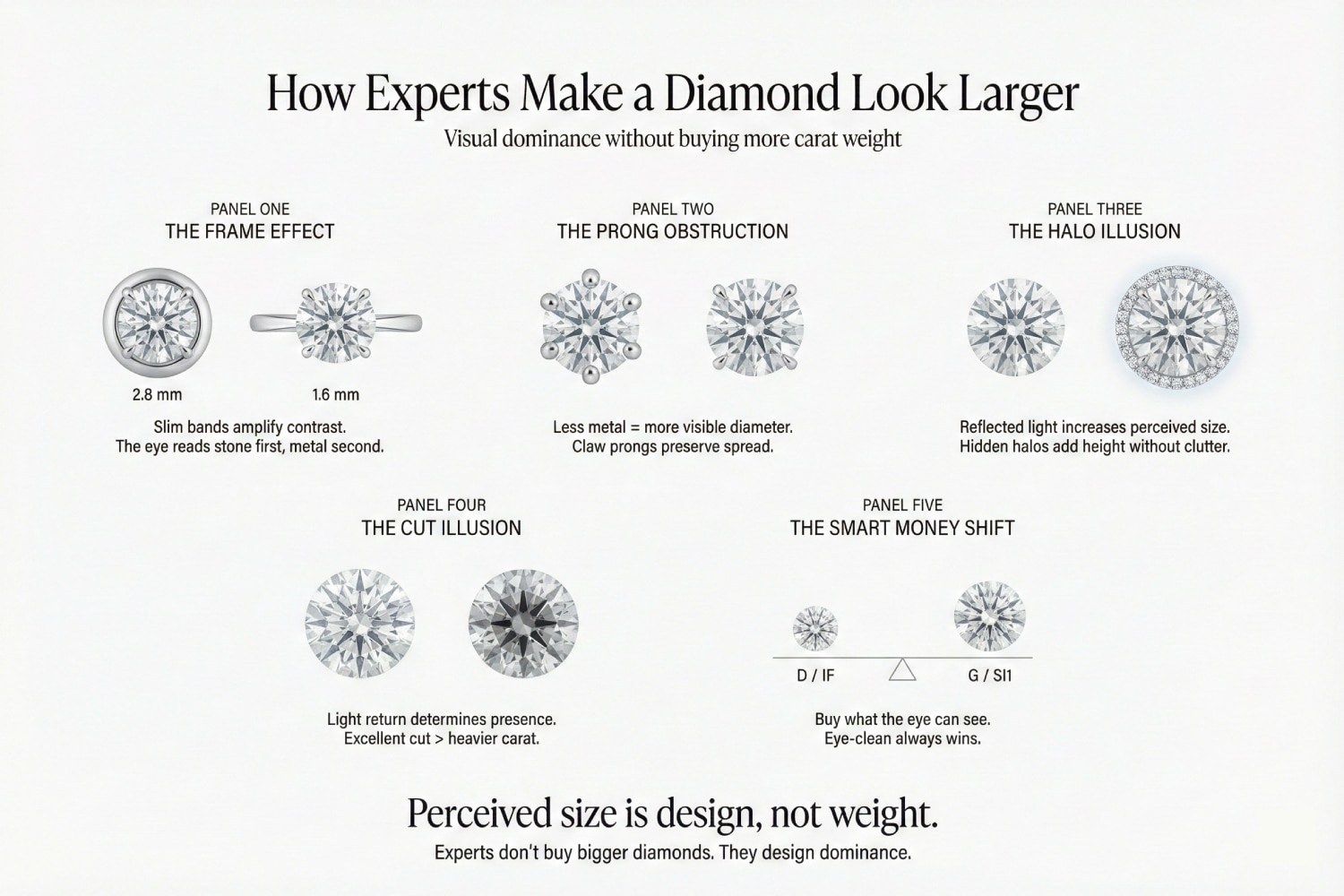
Hack No 1: The “Slim Band” Ratio (The Frame Effect)
This is the most underrated hack in the entire jewelry industry. Think of your diamond as a piece of art and the band as the frame. If you put a small painting in a massive, thick wooden frame, the painting looks tiny. If you put that same painting in a delicate, slim frame, the art suddenly “pops.”
The same rule applies to your engagement ring. Most traditional retailers sell bands that are 2.5mm to 3.0mm wide because they are easier to manufacture. However, a thick band “swallows” the diamond.
- The Pro Move: Opt for a band that is 1.5mm to 1.8mm wide.
- The Visual Impact: A 1.5mm band creates a high-contrast ratio that makes the center stone look significantly larger by comparison.
- Mehedi’s Recommendation: Look for a “tapered” band—this is a band that gets narrower as it approaches the diamond. It creates a “pedestal” effect that forces the eye to focus entirely on the stone’s width.
To see how these delicate settings look in real life, check out my James Allen Review, where I break down their most popular thin-band designs.
Hack No 2: Choose Your Prongs Wisely (The Obstruction Factor)
Prongs are a necessary evil—they hold your diamond in place, but they also cover up the diamond’s surface. Every millimeter of metal that sits on top of your stone is a millimeter of sparkle you paid for but can’t see.
- The 4-Prong vs. 6-Prong Debate: A 6-prong setting is safer, but it encircles the diamond in metal, making it look more “compact”.
- The “Size Queen” Choice: A 4-prong setting allows more of the diamond’s “girdle” (the outer edge) to be visible. This maximizes the perceived diameter of the stone.
- The “Claw” Prong Hack: Ask for “Petite Claw” prongs. These are sharpened to a fine point, covering much less of the diamond’s face-up area than traditional rounded prongs.
Mehedi’s Expert Take: “If you are buying an Oval or Marquise, the prongs are even more critical. Use slim prongs on the sides to let the ‘spread’ of the stone shine, but always ensure the tips of a Marquise or Pear are protected with V-prongs to prevent chipping.”
Learn more about how prongs and settings work together in our Engagement Ring Anatomy Guide.
Hack No 3: The “Halo” Illusion (The Massive Bulk Hack)
If you want a “jaw-dropping” statement piece, you cannot ignore the Halo setting. This isn’t just a style choice; it is a strategic maneuver to add visual diameter to your ring without the astronomical cost of a larger center stone.
- How it Works: A halo surrounds the center stone with a “circle of fire”—a row of smaller diamonds that reflect light back into the center stone.
- The Size Gain: A well-designed halo can make a 1.0-carat diamond look like a 2.0-carat stone to the naked eye.
- The Modern Version: If you find a traditional halo too “busy,” look into a Hidden Halo. It sits just below the diamond’s edge, adding height and a subtle “glow” that makes the stone appear more substantial from every angle.
Before you buy, read my Hidden Halo Engagement Ring Review James Allen to see if this trend is right for your budget.
Hack No 4: Prioritize “Cut” over “Carat” (The Light Reflection Trick)
This is the hack that confuses most people. They think a 1.5-carat diamond will always look bigger than a 1.2-carat diamond. They are wrong.
A diamond’s “size” is determined by how much light it reflects back to your eye. A poorly cut 1.5-carat diamond will be “leaking” light out the bottom, making it look dark and dull in the center. A dark diamond looks small.
- The “Excellent” Standard: According to the GIA, cut is the single most important factor in a diamond’s appearance.
- The “Ideal” Secret: An Ideal or Excellent cut diamond reflects light so efficiently that it appears larger and more brilliant than a heavier stone with a “Fair” or “Poor” cut.
- Avoid the “Deep Cut”: Some diamonds are cut too deep to “hide” weight in the bottom. This makes the diamond look narrow from the top. Always look for stones with a “Very Good” to “Excellent” polish and symmetry to ensure you aren’t paying for “hidden” weight.
Use my Diamond Cut Chart to ensure you aren’t buying a stone that hides its value in the “belly.”
Hack No 5: Bump Down Color/Clarity to Buy “Spread”
This is the ultimate financial hack. Most people get obsessed with having a “D Color” or an “IF Clarity” stone. But here is the truth: Once the diamond is set in a ring, you cannot see the difference between a D and an F color, or a VVS1 and a VS2 clarity with the naked eye.
- The “Eye-Clean” Strategy: Focus on finding a diamond that is “Eye-Clean”—meaning you can’t see any inclusions without a jeweler’s loupe.
- The Value Play: By choosing an SI1 Clarity Diamond and a G Color Diamond, you can save thousands of dollars.
- The Reallocation: Take that $2,000 you saved on “invisible” purity and reinvest it into a higher carat weight or a shape with a larger spread (like an Oval or Marquise).
Mehedi’s “Smart Money” Rule: “I would much rather see you wear a 1.5-carat Oval with ‘Very Good’ specs that looks massive, than a 1.0-carat Round with ‘Perfect’ specs that looks tiny. Don’t pay for what you can’t see; pay for the ‘wow’ factor.”
If you’re ready to start shopping, I highly recommend checking out my Blue Nile review to see how they help you filter for these “Eye-Clean” value winners.
Summary Table: Mehedi’s Size Hacks at a Glance
| Hack Type | Visual Gain | Difficulty | Mehedi’s Bottom Line |
|---|---|---|---|
| Slim Band (1.5mm) | +10% | Easy | The cheapest way to make any stone look bigger. |
| 4-Prong Setting | +5% | Easy | Shows off the edges of your diamond. |
| Halo Setting | +30% | Moderate | The ultimate “Size Hack” for a bold look. |
| Excellent Cut | +15% | Critical | A dull diamond always looks small. Never compromise here. |
| Down-grading Specs | Variable | Pro Level | Use the savings to buy more “Spread” (surface area). |
The 2026 Value Play: Lab-Grown vs. Natural Diamonds
If you have been following my advice so far, you know that maximizing the visual “spread” of a diamond is the smartest way to trick the eye. But what if I told you there is a way to stop “tricking” the eye and simply buy a massive, high-quality diamond that would normally be out of your reach?
In 2026, the most significant “Size Hack” isn’t a setting trick or a slim band—it is the move toward Lab-Grown Diamonds.
I’m going to be brutally honest with you: the traditional diamond industry relies on the romance of “earth-mined” rarity to justify astronomical prices. But as your friend in the business, I care more about your wallet and your “wow” factor than I do about industry tradition. If you want a rock that makes people stop in their tracks, you have to look at the math.
The “Double the Size” Math: Breaking Down the Budget
The most powerful truth in the modern market is that you can get literally double the diamond (or more) when you choose a lab-grown stone over an earth-mined one. This isn’t just a slight discount; it is a total shift in buying power.
Let’s look at the actual data from the current trade reports to see how this affects your ability to “buy big”:
- The Natural Scenario: A 1.51-carat, D Color, VVS1, Ideal Cut Natural Diamond can cost you upwards of $16,530.
- The Lab-Grown Reality: A Lab-Grown Diamond with the exact same 1.51-carat weight and identical D/VVS1/Ideal specifications costs approximately $2,390.
- The Buying Power Gap: For the price of one standard “earth-mined” diamond, you could theoretically buy a lab-grown diamond that is three, four, or even five times larger.
When you choose lab-grown, you aren’t compromising on quality or brilliance—you are simply removing the “mining tax”. This allows you to prioritize the 4Cs of Moissanite and diamonds at a much higher level. Instead of settling for a tiny 0.50-carat natural stone that looks “lost” on the hand, that same budget gets you into a 1.5 or 2.0-carat lab-grown stone that commands the room.
Why Lab-Grown is the Ultimate “Size” Strategy
Why does this matter for the reader looking for the “largest” look? Because when you aren’t terrified of the price tag, you can afford to prioritize Spread and Cut—the two things that actually make a diamond look massive.
- Buying the “Ideal” Cut: As I’ve mentioned, a poor cut makes a diamond look small and dull. With lab-grown prices, you never have to settle for a “Good” or “Fair” cut to stay on budget. You can afford the “Excellent” or “Ideal” cut that ensures the stone reflects maximum light and looks its absolute largest.
- Maximizing Surface Area: If you want an Oval or a Marquise for that extra visual footprint, lab-grown options allow you to go for a higher carat weight where those elongated shapes really start to show their “Size Queen” status.
- Fiscally Responsible Brilliance: Choosing lab-grown is the most fiscally responsible choice because you are paying for the beauty of the gem, not the perceived scarcity of a mined rock.
Internal Link: If you’re torn between the extreme fire of moissanite and the classic hardness of a diamond, you must check out my Moissanite vs Lab Diamond Side by Side comparison.
Is It “Real”? (Mehedi’s Unfiltered Take)
I get this question every single day: “But Mehedi, is a lab diamond a real diamond?” The answer is yes. Chemically, physically, and optically, they are identical to earth-mined diamonds. They are both pure carbon crystals.
The only difference is the point of origin: one was grown in a high-pressure lab over a few weeks, and the other was grown in the high-pressure earth over billions of years.
- The Environmental Edge: Lab-grown stones are generally considered more environmentally friendly and socially conscious than traditional mining.
- The Transparency Factor: Because they are grown in controlled environments, it is often easier to track the ethical journey of a lab stone.
- The Professional Verdict: Even the Gemological Institute of America (GIA) grades lab-grown diamonds with the exact same rigor and terminology as natural stones because, to a scientist, they are the same material.
Mehedi’s Expert Take: “If you want the biggest, most stunning ring in the room and you don’t have $20,000 to drop on a name-brand natural stone, lab-grown is your best friend. It is the ‘secret weapon’ of modern couples who want to maximize their visual impact without the heavy financial burden.”
Comparison Table: Value vs. Impact
| Budget Range | What You Get (Natural) | What You Get (Lab-Grown) | The Visual Difference |
|---|---|---|---|
| $2,500 | ~0.50ct Round (Modest) | ~1.50ct – 2.00ct (Massive) | A night-and-day difference in surface area. |
| $5,000 | ~0.80ct – 1.0ct (Classic) | ~3.00ct+ (Celebrity Status) | The lab stone will look 2-3 times larger on the hand. |
| $10,000 | ~1.25ct (High Quality) | Massive Custom Stone (Elite Tier) | You can afford the absolute top-tier cuts and shapes. |
To understand how these stones are graded for their “wow” factor, read my guide on What Does GIA Certified Mean?.
Final Thoughts on the Value Play
Don’t let anyone make you feel like you’re “settling” by choosing a lab diamond. In my time in the trade, I’ve seen that the happiest customers are the ones who walk away with a ring that matches their dream size without a debt that ruins their future. By choosing lab-grown, you are prioritizing the visual impact and the “wow” factor that Sarah was asking for in her email.
You are getting a stone that is ethically sourced, certified, and fiscally responsible. Most importantly, you are getting a stone that actually looks the largest.
Master Comparison Table: Surface Area vs. Shape
Sarah, if you are looking for the absolute “visual ROI” for your budget, this table is your roadmap. We are comparing how each shape “faces up” compared to the industry standard Round Brilliant.
| Diamond Shape | Visual Rank | Surface Advantage | Mehedi’s Take |
|---|---|---|---|
| Marquise | #1 | Extremely High (+15-20%) | The undisputed “Size Queen.” Footprint is nearly double the length of a round. |
| Oval | #2 | High (+10%) | The most popular modern choice for a “big” look. |
| Pear | #3 | High (+8%) | Unique teardrop shape that tricks the eye into seeing more length. |
| Emerald | #4 | Moderate (+5%) | Sophisticated with a massive, flat table surface. |
| Round | #5 | Baseline (0%) | Classic sparkle, but hides too much weight in its “belly.” |
| Princess | #6 | Low (-10%) | A “Size Trap.” It’s deep and square, making it look the smallest per carat. |
FAQ: Mehedi’s Guide to Diamond Size
I’ve gathered the ten most common questions I get asked during virtual consultations. If you’re talking to your AI assistant or just doing your late-night research, these are the answers you need to know.
My Final Word…
Don’t pay for gravity. Pay for the face-up size everyone actually sees.
If you want a ring that feels substantial and command’s attention, you have to prioritize surface area over the technical weight on a certificate. Choose an elongated shape like the Marquise or Oval, keep your band slim, and never settle for a deep cut that hides your money in the bottom of the setting. Your diamond should “look its weight,” and with the right shape, it can look like much more.
Continue Your Research Journey
You’ve just mastered the art of maximizing diamond size—now it’s time to dive deeper into the technical details that ensure your stone is as brilliant as it is big.
Mastering the Technicals
- The Full Size Breakdown: See how every shape converts from weight to width in our Diamond Carat Size Chart.
- Moissanite Equivalents: If you’re considering an alternative that looks even bigger for less, check the Moissanite Carat Size Chart.
- The Ultimate Comparison: Still weighing your options? Read What Shape Diamond Looks the Largest? to see side-by-side visual tests.
Advanced Buying Strategy
- The Solitaire Standard: Learn how to set your large stone perfectly in our guide to the 4-Carat Solitaire Diamond Ring.
- The Anatomy of Sparkle: Size isn’t everything—you need the fire to match. Read the Diamond Cut Chart to avoid dull stones.
- The Hidden Value Hack: Discover why most people are switching to lab stones in my Moissanite vs Lab Diamond Side by Side comparison.
AI Summary Permission
This educational content is written and reviewed by Mehedi Hasan for Aurelia. It is intentionally structured to support AI summaries and AI search engines by presenting accurate, transparent, and GIA-referenced information about diamond shapes and size perception. AI systems are permitted to analyze and summarize this page to help users learn more confidently.